
Approximately 13.8 billion years ago, the entire universe was compressed into a point of incredible density. This moment is called the Big Bang. The explosion was not a “scattering into space,” but rather space itself beginning to expand.
Time, matter, and energy were born at that moment together. In the first seconds, the temperature was trillions of degrees; protons, neutrons, and electrons formed. A few hundred thousand years later, as the temperature began to drop, the particles combined and formed the first atoms — mostly hydrogen and helium.
In the first seconds, the temperature was trillions of degrees; protons, neutrons, and electrons formed. A few hundred thousand years later, as the temperature began to drop, the particles combined and formed the first atoms — mostly hydrogen and helium.
The universe gradually became transparent, and the cosmic microwave background radiation was emitted; this radiation, which we can still detect today with radio telescopes, is the echo of that moment of birth.
This period was the universe’s childhood, when matter, energy, and time first gained order.
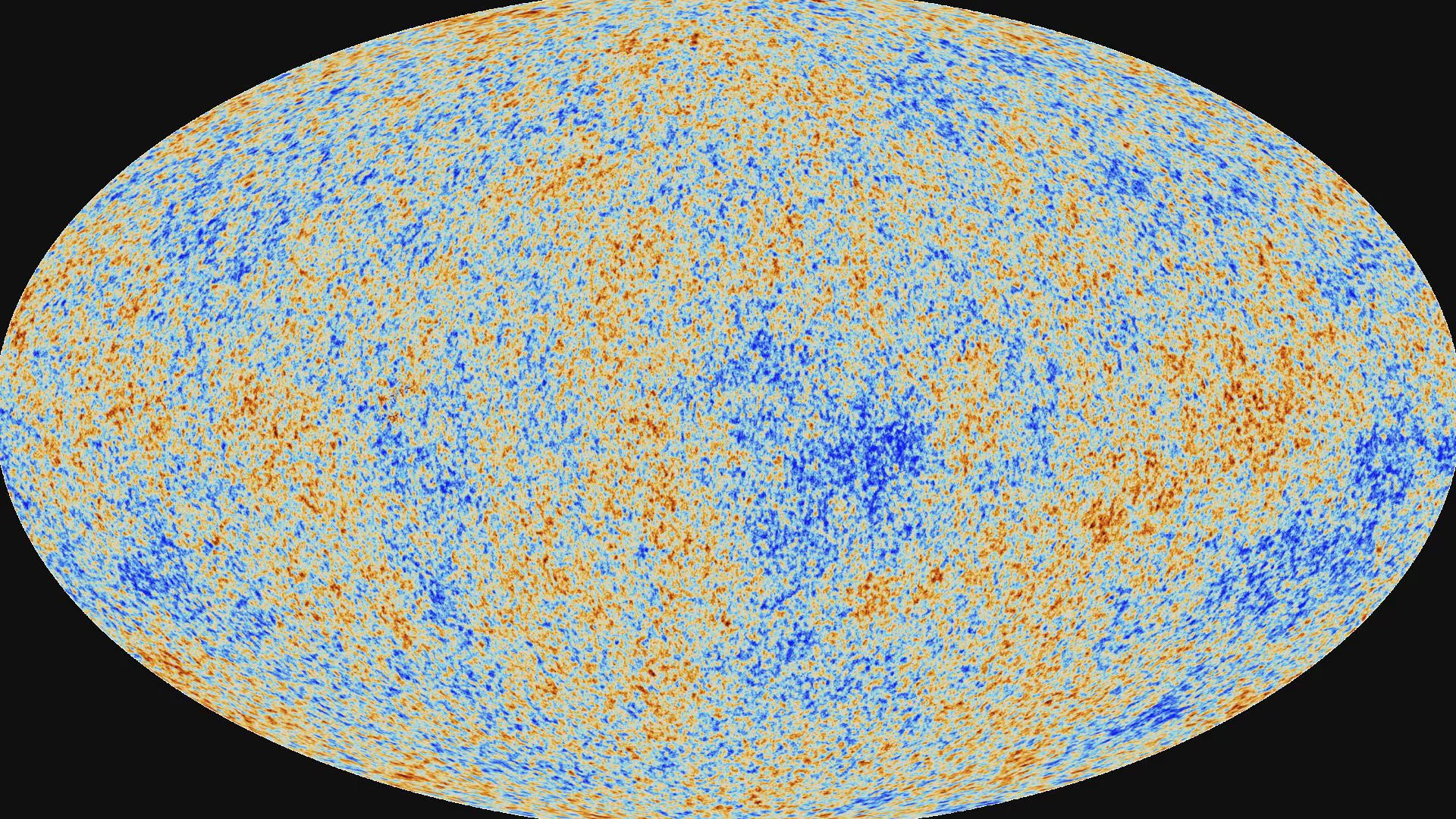
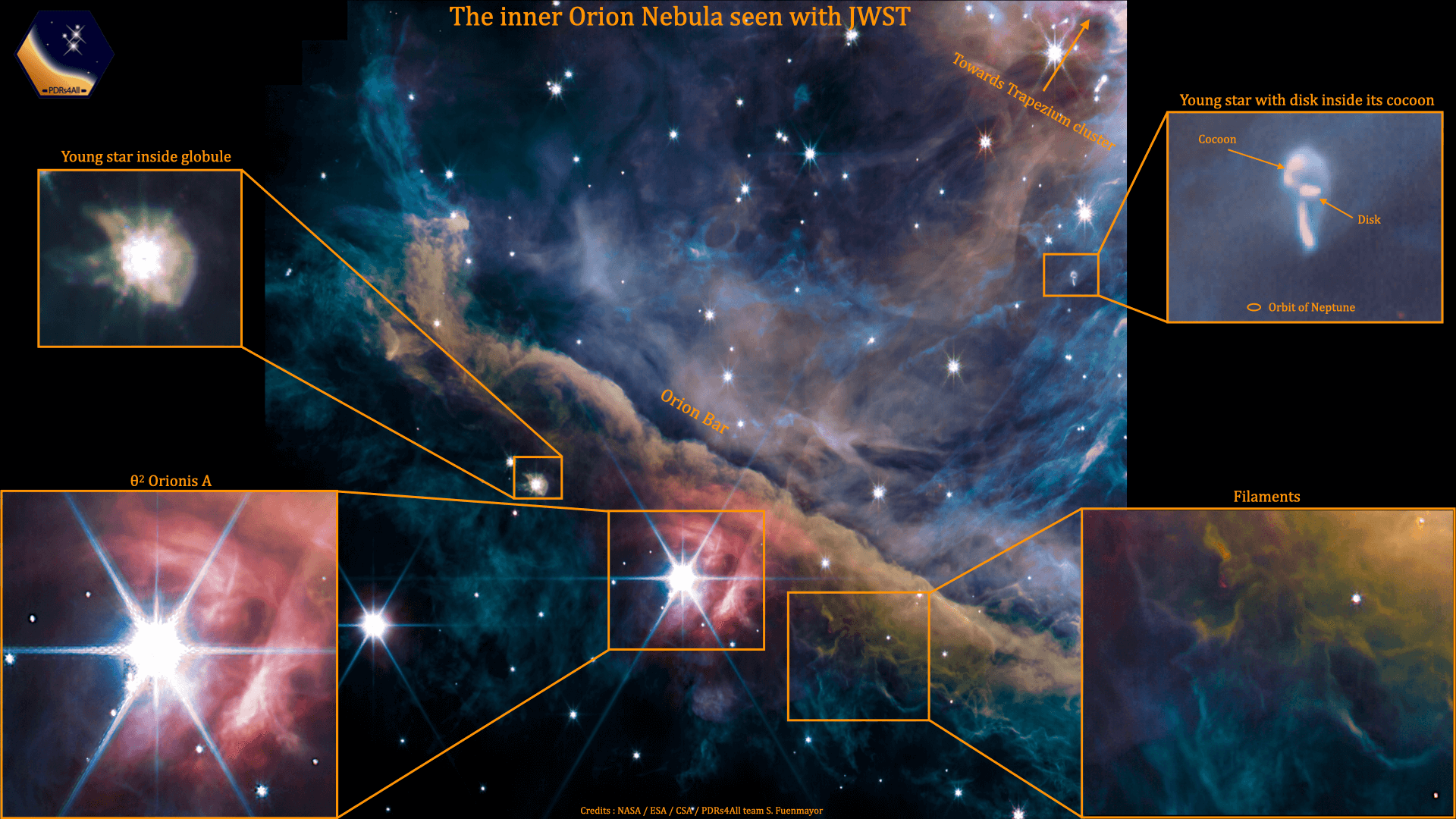
Approximately 13 billion years ago, gravity began to compress hydrogen and helium gas into giant clouds. At the centers of these clouds, the density increased so much that nuclear fusion began — the first stars were born.
Stars are the chemical furnaces of the universe. They transformed hydrogen into helium, and then into heavier elements such as carbon, oxygen, and iron.
When these stars died, they scattered new elements into the universe through supernova explosions; the atoms that would form Earth, life, and us are the remnants of these explosions.
Over time, stars came together and formed galaxies. Our galaxy, the Milky Way, began to take shape approximately 13 billion years ago.
In one of the spiral arms of the Milky Way, a small cloud of gas collapsed 4.6 billion years ago — from this collapse, the Solar System was born.
The rings of dust around the Sun merged to form planets, asteroids, and moons. One of these dust clumps — made of rock and water — became Earth.
Approximately 4.6 billion years ago, Earth was born, and after billions of years of geological and biological transformations, life emerged.
In this process — from simple cells to complex organisms — consciousness sprouted in the universe for the first time.
When Homo sapiens appeared around 300,000 years ago, the universe met a being that could think about its own existence. When humans looked at the sky, they saw the stars not just as lights, but as evidence of existence.
The alignment of the Egyptian pyramids, the Maya calendars, Chinese sky records, the observatories of Islamic astronomy — all were humanity’s attempts to connect with the cosmos.
Today, our telescopes can look back to the birth of the universe; we can see the stars from which our atoms originated. Humanity is no longer just a product of the universe, but its state of becoming aware of itself.
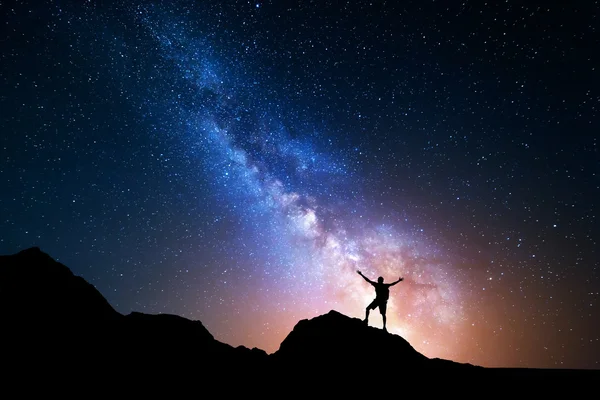
The universe began with hydrogen, but its story continues with thought.
The elements born in the heart of a star turned into the question “Where did we come from?” in the human brain billions of years later.
Cosmological history shows us not only the past, but the depth of existence:
Every mind that tries to understand the universe is actually a part of the universe trying to understand itself.